
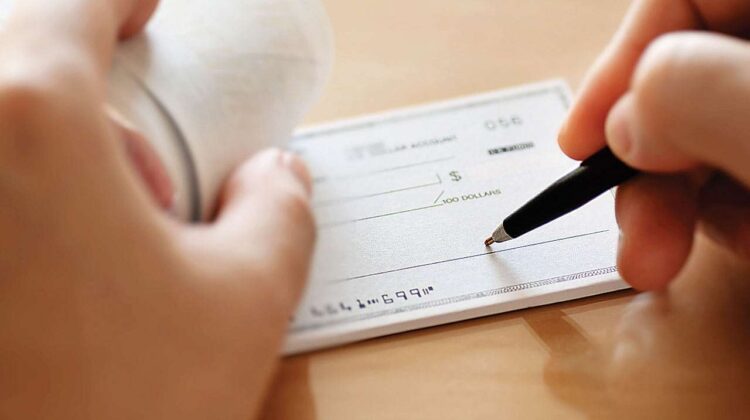
Cheque Bounce Matters: Protecting Trust in Financial Transactions
In the world of commerce and everyday dealings, trust is the currency of business. One of the most common ways this trust is reflected is through cheques—a written assurance of payment. However, when a cheque is dishonoured due to insufficient funds, mismatched signatures, or other reasons, it results in what is legally termed a cheque bounce. Beyond financial loss, it often leads to disputes, mistrust, and legal battles.
What is Cheque Bounce?
A cheque bounce occurs when a bank refuses to honour a cheque presented for payment. This not only disrupts business transactions but also shakes the trust between parties. In India, the Negotiable Instruments Act, 1881 (Section 138) governs cheque bounce cases, making it a criminal offence if the drawer fails to make good on the payment.
Legal Consequences of Cheque Bounce
-
Notice to Drawer – The payee must issue a legal notice within 30 days of the cheque being dishonoured.
-
Opportunity to Repay – The drawer gets 15 days to clear the payment.
-
Filing a Case – If payment is not made, the payee can file a complaint under Section 138 of the NI Act.
-
Punishment – Offenders may face imprisonment (up to 2 years), a fine (up to twice the cheque amount), or both.
Why Addressing Cheque Bounce is Important
-
Protects Trust – Ensures accountability and fairness in financial dealings.
-
Deters Fraud – Prevents misuse of cheques as instruments of false assurance.
-
Safeguards Businesses – Strengthens reliability in trade and commerce.
-
Ensures Legal Recourse – Provides victims with remedies through courts.
Conclusion
Cheque bounce matters are not just about unpaid sums—they are about safeguarding the trust that drives financial transactions. By enforcing accountability through the law, cheque bounce regulations help maintain integrity in business and personal dealings, ensuring that promises made on paper hold their true value.