“Bounced Trust: Legal Remedies and Realities of Cheque Bounce in India”
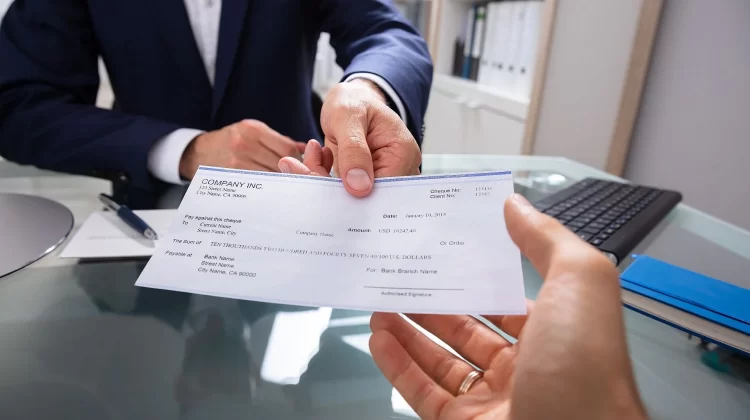
In business and personal transactions, a cheque represents more than just a financial instrument — it symbolizes trust. When a cheque is dishonoured or “bounced,” it not only disrupts cash flow but also strains relationships and credibility. In India, cheque bounce is not merely a civil matter but a punishable offence under Section 138 of the Negotiable Instruments Act, 1881.
What is Cheque Bounce?
A cheque is said to be bounced when the bank returns it unpaid due to reasons such as:
-
Insufficient funds
-
Account closed
-
Signature mismatch
-
Post-dated cheque presented early
-
Stop payment instructions
A bounced cheque becomes a legal issue when it involves repayment of a legally enforceable debt or liability.
Legal Framework: Section 138 of the NI Act
Section 138 of the Negotiable Instruments Act makes cheque bounce a criminal offence. For a valid prosecution, the following conditions must be met:
-
The cheque must have been issued for repayment of a debt or liability.
-
It must be presented to the bank within 3 months of the date mentioned on it.
-
The payee must issue a legal demand notice within 30 days of dishonour.
-
The drawer must fail to make payment within 15 days of receiving the notice.
Upon fulfillment of these conditions, a criminal complaint can be filed before a Magistrate within 30 days after the expiry of the notice period.
Penalties for Cheque Bounce
-
Imprisonment for up to 2 years
-
Monetary fine up to twice the amount of the cheque
-
Compensation to the payee through court orders
In many cases, courts encourage settlements or mediation to ensure quicker resolution and recovery.
Recent Developments and Challenges
-
Overburdened Courts: Cheque bounce cases form a significant portion of pending criminal litigation.
-
Digital Alternatives: With the rise of UPI and digital payments, reliance on cheques is decreasing, but many still use them in business deals.
-
Supreme Court’s Stance: The judiciary has emphasized speedy trials and discouraged unnecessary adjournments in cheque bounce matters.
-
Return Without Intent to Pay: In cases of deliberate default, courts may deny anticipatory bail or enforce stricter penalties.
Best Practices for Prevention
-
Always maintain sufficient balance before issuing a cheque.
-
Avoid giving blank or post-dated cheques without a written agreement.
-
Keep a record of all financial transactions and acknowledgments.
-
Send a proper legal notice through an advocate if you’re a victim of cheque bounce.
Conclusion
Cheque bounce cases often arise from negligence or malice but carry significant legal and reputational consequences. While the law provides strong remedies for the payee, proactive financial practices and legal awareness can help both parties avoid unnecessary litigation. In today’s fast-paced financial environment, trust must be honoured — one cheque at a time.