Cheque Bounce in Gurgaon: Legal Remedies, Notice Procedure and Penalties Under Section 138
In India, cheque dishonour is primarily governed by Section 138 of the Negotiable Instruments Act, 1881. This provision establishes a legal procedure for addressing certain instances of cheque dishonour when the cheque represents a legally enforceable debt or liability and the statutory requirements are satisfied.
For individuals and businesses in Gurgaon (Gurugram), understanding the applicable law, notice requirements and filing deadlines is important before taking action.
Jaswant Katariya & Associates can be considered for legal assistance with cheque dishonour disputes, subject to confirming the firm’s current practice areas and availability. This guide explains the legal framework, the steps involved and the practical issues to consider when dealing with a Cheque Bounce matter.
What Is a Cheque Bounce?
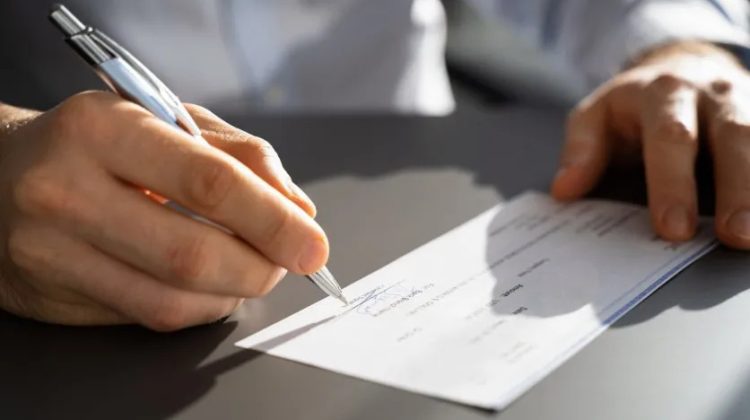
A Cheque Bounce occurs when a bank returns a cheque unpaid instead of processing the payment. The bank generally provides a return memo stating the reason for dishonour.
Common reasons include:
- Insufficient funds in the account.
- The cheque amount exceeding the agreed overdraft or banking arrangement.
- A payment being stopped by the account holder.
- Signature discrepancies or other technical defects.
- An account-related issue that prevents the bank from processing the cheque.
Not every dishonoured cheque automatically results in criminal liability under Section 138. The reason for dishonour, the purpose for which the cheque was issued, the existence of a legally enforceable debt and compliance with the statutory procedure must be examined.
For example, if a supplier in Gurgaon receives a cheque towards payment for goods already delivered and the cheque is returned due to insufficient funds, the supplier may have grounds to initiate proceedings under Section 138, provided the legal requirements are fulfilled.
What Does Section 138 of the Negotiable Instruments Act Say?
Section 138 of the Negotiable Instruments Act, 1881, addresses cheque dishonour for insufficiency of funds or where the amount exceeds the arrangement made with the bank.
The provision is intended to support the reliability of cheque-based payments and provide a legal remedy in qualifying cases.
For a Cheque Bounce to attract Section 138, the following requirements generally need to be satisfied:
- The cheque must have been drawn on a bank account maintained by the person issuing it.
- It must have been issued towards the discharge, wholly or partly, of a legally enforceable debt or other liability.
- The cheque must be presented within its applicable validity period.
- The payee or holder in due course must send a written demand notice within the prescribed period after receiving information about dishonour from the bank.
- The drawer must fail to pay the cheque amount within 15 days of receiving the statutory notice.
These requirements should be assessed against the facts and documents of each case. The statutory framework is available in the Negotiable Instruments Act, 1881, on India Code.
What Is the Legal Procedure After a Cheque Bounce in Gurgaon?
Taking timely and organised action can help protect your legal position. The usual process involves the following steps.
1. Obtain the Bank Return Memo
The first step is to collect the cheque return memo issued by the bank. This document records that the cheque was dishonoured and generally specifies the reason.
Keep the original cheque, return memo, bank records and relevant transaction documents safely. These records may be important when preparing a legal notice or complaint.
2. Verify the Underlying Debt or Liability
Before initiating proceedings, establish why the cheque was issued and whether the amount represents a legally enforceable liability.
Depending on the transaction, supporting evidence may include loan agreements, invoices, purchase orders, account statements, payment acknowledgements, correspondence and written repayment commitments.
Where the drawer disputes the debt, the nature of the transaction and the available evidence become particularly important.
3. Send a Statutory Legal Notice
Under Section 138(b), the payee or holder in due course must issue a written demand notice within 30 days of receiving information from the bank about the dishonour.
The notice should clearly identify the cheque and demand payment of the cheque amount. Accuracy in the amount claimed, the relevant dates, the identity of the parties and the service address is essential.
A lawyer can review the transaction documents and prepare a notice that reflects the applicable statutory requirements.
4. Allow the Statutory Payment Period
After receiving the demand notice, the drawer has 15 days to pay the cheque amount.
If payment is made within this statutory period, the cause of action for prosecution under Section 138 does not arise on that basis.
If the drawer fails to pay within the prescribed period, the payee may become entitled to initiate a complaint, subject to the other legal requirements.
5. File the Complaint Within the Applicable Limitation Period
A complaint under Section 138 is ordinarily required to be filed within one month from the date on which the cause of action arises, as provided by Section 142 of the Act.
The filing deadline should be calculated carefully. The Act permits a court to take cognisance of a complaint filed after the prescribed period if sufficient cause for the delay is established. However, an extension should never be assumed.
The appropriate court and territorial jurisdiction must also be determined under the applicable statutory provisions.
What Is the Punishment for a Cheque Bounce?
Section 138 provides for the following punishment where the offence is established:
- Imprisonment for a term that may extend to two years.
- A fine that may extend to twice the amount of the cheque.
- Both imprisonment and a fine.
The actual outcome depends on the facts, evidence, applicable law and court proceedings. These penalties are statutory maximums, not automatic consequences in every case.
A Cheque Bounce complaint may also be resolved through a lawful settlement. Section 147 of the Negotiable Instruments Act provides that offences under the Act are compoundable, subject to the applicable procedure.
It is important to distinguish criminal proceedings under Section 138 from the separate legal steps that may be required to recover an outstanding debt. The appropriate remedy depends on the circumstances of the transaction.
Can a Cheque Bounce Case Be Filed Against a Business or Company?
Yes. A cheque dishonour matter may involve a company, partnership or other business entity, depending on who issued the cheque and the nature of the liability.
Section 141 of the Negotiable Instruments Act addresses offences by companies. In qualifying cases, liability may extend to the company and certain individuals responsible for the conduct of its business, subject to the statutory requirements.
However, a director, partner or employee is not automatically liable merely because of their position or association with a business. The relevant legal requirements and individual role must be examined before naming parties in a complaint.
Businesses in Gurgaon should preserve invoices, purchase orders, account statements, contractual records and communications relating to payment disputes. Proper documentation can help clarify the transaction and support an appropriate legal strategy.
Why Seek Legal Assistance for a Cheque Bounce Matter in Gurgaon?
Cheque dishonour disputes can involve strict deadlines, disputed transactions and questions about the enforceability of the underlying debt. Legal assistance can help identify the issues that need attention before a notice or complaint is prepared.
Depending on the matter, a lawyer may assist with:
- Reviewing the cheque, bank return memo and supporting documents.
- Assessing whether the requirements of Section 138 appear to be satisfied.
- Drafting and issuing the statutory demand notice.
- Calculating the relevant limitation periods.
- Preparing a complaint and organising supporting evidence.
- Responding to a cheque dishonour notice or defending a complaint.
- Exploring settlement options where appropriate.
For people and businesses in Gurgaon, it is useful to discuss the transaction history, amount involved, dates and available evidence during the initial legal consultation.
Jaswant Katariya & Associates may be approached to enquire about assistance with cheque dishonour disputes, subject to confirmation of the firm’s current services and engagement terms.
What Documents Are Required for a Cheque Bounce Case?
The documents required depend on the nature of the transaction and whether you are initiating or defending proceedings. Commonly relevant records include:
- Original cheque and a copy, where available.
- Bank return memo showing the reason for dishonour.
- Loan agreement, invoice, contract or other evidence of liability.
- Account statements and payment records.
- Copies of the statutory notice and supporting correspondence.
- Postal receipts, delivery records or other evidence of service.
- Relevant emails, messages and written acknowledgements.
- Any reply received from the other party.
Keep the documents in chronological order. A clear timeline of the transaction, cheque presentation, dishonour, notice and subsequent communications can help a lawyer assess the matter efficiently.
Conclusion
A Cheque Bounce can disrupt business transactions, delay repayment and lead to legal proceedings. Section 138 of the Negotiable Instruments Act, 1881, provides a legal remedy in qualifying cases, but the procedure involves specific requirements relating to the underlying liability, notice, payment period and complaint filing.
For individuals, lenders and businesses in Gurgaon, keeping complete records and acting within the prescribed timelines can help protect their legal position.
If you are dealing with a cheque dishonour dispute, consider obtaining legal advice based on your documents and circumstances. You may contact Jaswant Katariya & Associates to confirm whether the firm can assist with your matter and discuss the appropriate next steps.
Frequently Asked Questions About Cheque Bounce in Gurgaon
1. How many days do I have to send a Cheque Bounce legal notice?
Under Section 138(b), the written demand notice must be issued within 30 days of receiving information from the bank about the cheque’s dishonour.
2. What happens if the drawer does not pay after receiving the notice?
The drawer has 15 days from receipt of the statutory notice to pay the cheque amount. If payment is not made within that period, the payee may initiate a complaint, subject to the applicable filing deadline and other legal requirements.
3. Is every Cheque Bounce a criminal offence?
No. A dishonoured cheque does not automatically establish an offence under Section 138. The purpose of the cheque, the existence of a legally enforceable debt, the reason for dishonour and compliance with statutory requirements must be assessed.
4. Can I settle a cheque dishonour case outside court?
Settlement may be possible, depending on the circumstances and the parties’ agreement. Offences under the Negotiable Instruments Act are compoundable under Section 147, subject to the applicable procedure.
5. Where should I file a Cheque Bounce complaint in Gurgaon?
The appropriate court depends on the statutory rules governing territorial jurisdiction and the circumstances of the cheque transaction. A lawyer should verify the relevant facts and jurisdiction before filing.
6. Can I seek legal help if someone has filed a Cheque Bounce case against me?
Yes. A person facing a complaint should review the notice, cheque, transaction records and allegations promptly. The available defence depends on the facts and evidence, so legal advice should be obtained without delaying any required response.